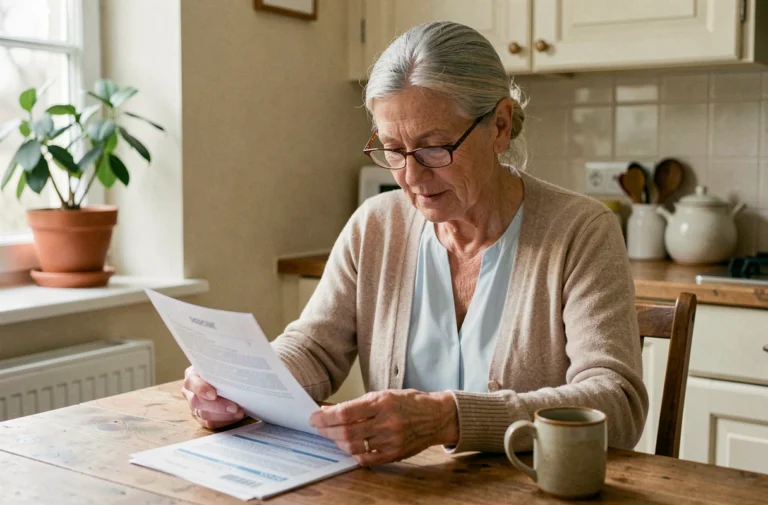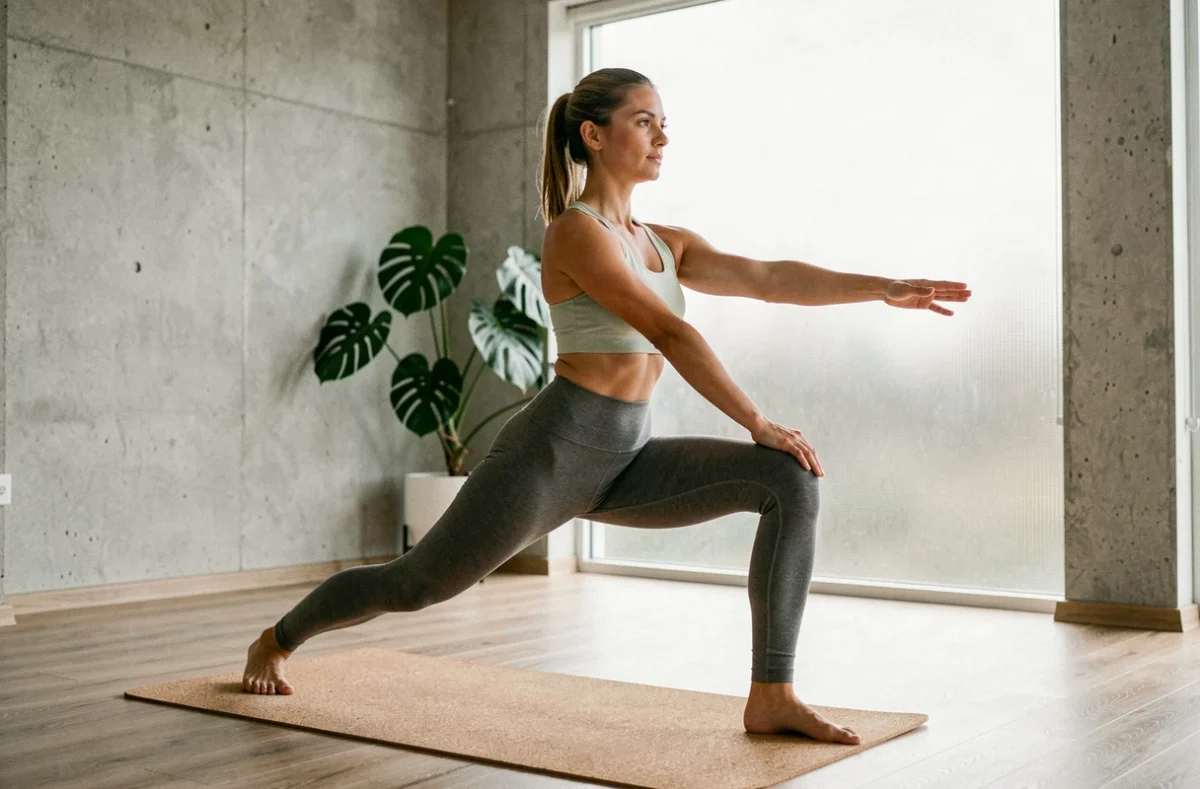
Public health recommendations now distinguish structured exercise from everyday physical activity (walking, cycling, gardening), while initiatives such as Maisons Sport-Santé are working to make it easier for as many people as possible to get active again. Against this backdrop, fitness trends are shifting toward shorter, more flexible formats that focus more on overall well-being than on raw performance.
Fitness routines and sedentary behavior: what French recommendations are really changing
Public health guidelines no longer just set a weekly exercise target. They emphasize a point that is often overlooked: breaking up periods of sitting regularly matters just as much as a workout. Standing up every thirty to forty-five minutes, walking a few steps, stretching your legs—these small actions are just as important for people who already work out several times a week.
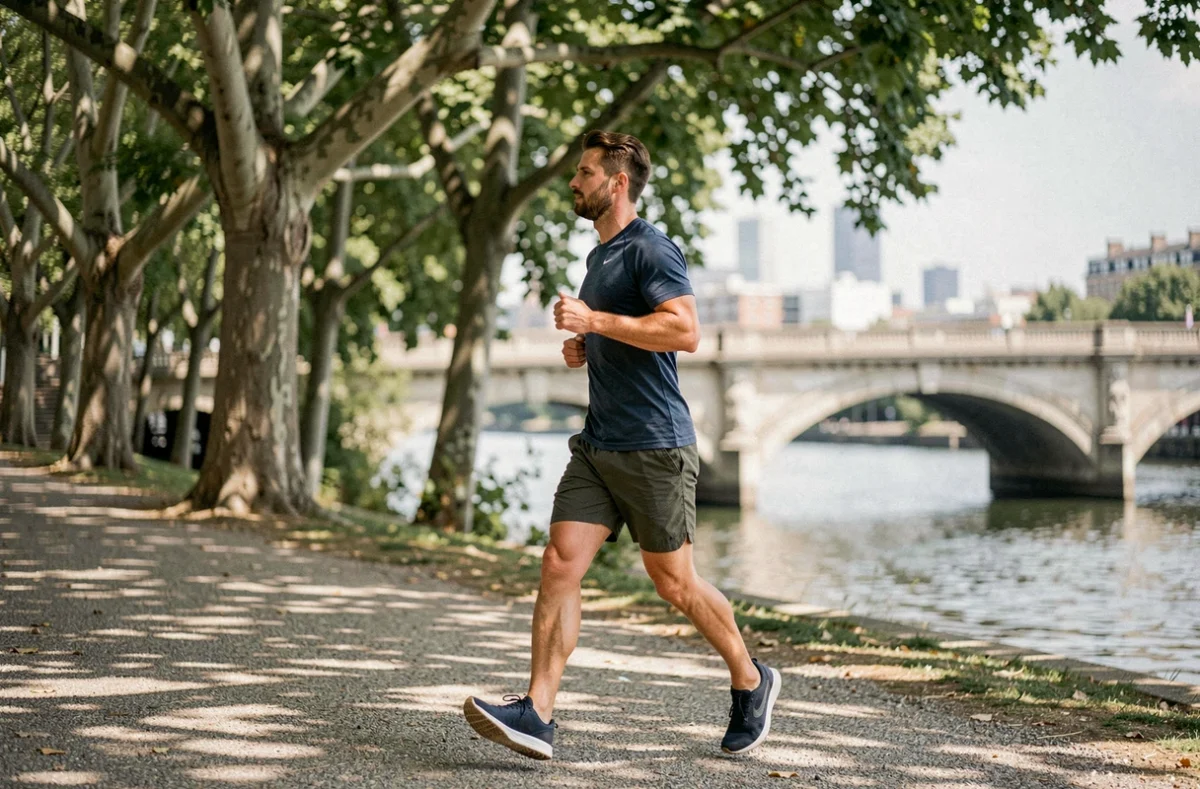
This distinction between physical activity in the broad sense and structured exercise changes how we think about a daily routine. Cycling to work, taking the stairs instead of the elevator, or going for a walk after lunch all contribute to the same health goal as a gym session. The aim is not to replace fitness, but to complement rest days with non-sporting movement.
For the latest news from Mon Coach Sportif en Ligne, this shift toward overall movement rather than gym performance alone reflects a broader trend in the French-speaking fitness community.
Exercise on prescription in France: access still varies by region
Adapted physical activity can be prescribed by a doctor, particularly for patients with chronic conditions or identified risk factors. The framework is in place, but sessions are not routinely reimbursed by the French health insurance system. Some private health insurers offer allowances, and local authorities occasionally fund programs, but access varies considerably from one department to another.
Maisons Sport-Santé provide practical support for people looking to resume supervised physical activity. These centers make recommendations based on age, fitness level, and medical history, with or without a prior prescription. However, their coverage across the country remains incomplete, limiting their reach in rural areas and smaller towns.
What this means for your personal routine
Someone with a medical prescription to get active may not necessarily find a funded program nearby. What most online fitness guides leave out is precisely this regional disparity. Before planning a routine that includes adapted physical activity sessions, checking what is available locally (through Maisons Sport-Santé or approved sports associations) can help avoid disappointment that might discourage you from getting started again.
Building a fitness routine that withstands social pressure and discouragement
Current fitness trends are shifting toward three principles that mark a break from the pursuit of extreme performance:
- Adaptability: exercising whatever your lifestyle, available time, or fitness level—including with sessions lasting just ten to twenty minutes
- Overall well-being: exercise supports physical and mental health without adding extra stress to everyday life
- Consistency over intensity: a short workout every day rather than an intense session twice a week
These principles sound simple on paper. In practice, social pressure around body image and social media can make things more complicated. Feeling that you are not doing enough, not making progress quickly enough, or not looking like people you see online can all make it harder to stick with regular exercise.
Three practical ways to stay consistent over time
Rather than piling on goals, a sustainable routine is built on deliberate choices. Here are the factors that make the difference between a program abandoned after three weeks and a habit maintained for months:
- Set a non-negotiable minimum (for example, fifteen minutes of movement a day) instead of an ambitious goal that the slightest work or family commitment can derail
- Mix things up to avoid getting bored: alternate functional exercises (squats, lunges, planks), brisk walking, and more enjoyable activities such as dancing or outdoor cycling
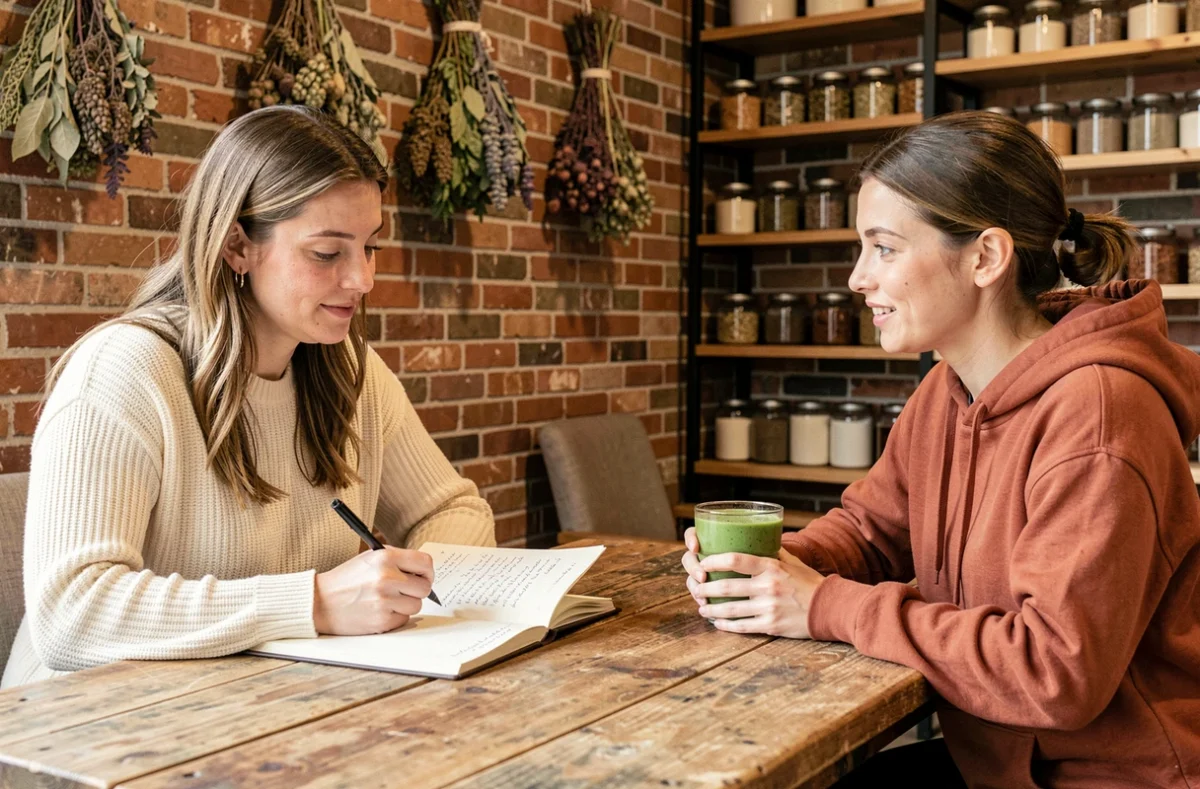
- Separate exercise from physical appearance: track your progress through sleep quality, energy levels, or reduced chronic pain rather than the number on the scale
This last point echoes a recurring observation in sports and wellness news: people who stick with their routine over the long term are those who associate exercise with an immediate positive feeling, not a delayed aesthetic result.
Short workouts and functional movements: the fitness trend taking hold
Quick workouts are gaining ground, driven by fitness content creators who show that an effective session does not require an hour at the gym. Short sessions performed regularly can produce significant results.
Functional movements (those that mimic everyday actions such as bending, pushing, pulling, or carrying) are gradually replacing isolation exercises in mainstream programs. Their advantage: they engage several muscle groups at once, reduce the risk of injuries caused by imbalances, and often require no equipment.
Recovery and rest days in a weekly routine
A rest day between two workout sessions remains the basic recommendation to give your body time to recover. People who exercise back-to-back without recovery risk cumulative fatigue, which can undermine motivation as much as performance. Rest is an integral part of training, not an interruption to it.
For people who find it hard to do nothing on a rest day, walking or gentle stretching (such as restorative yoga or mat Pilates) can offer a compromise. The Shoulder Bridge or Sphinx Pose, for example, strengthen the lower back without adding extra stress to the joints.
Fitness news over the past few months points to the same conclusion: the sustainability of an exercise routine depends less on the program you choose than on how well it fits your actual lifestyle. A suitable, consistent workout combined with unstructured daily movement produces more lasting results than an ambitious plan followed only intermittently.