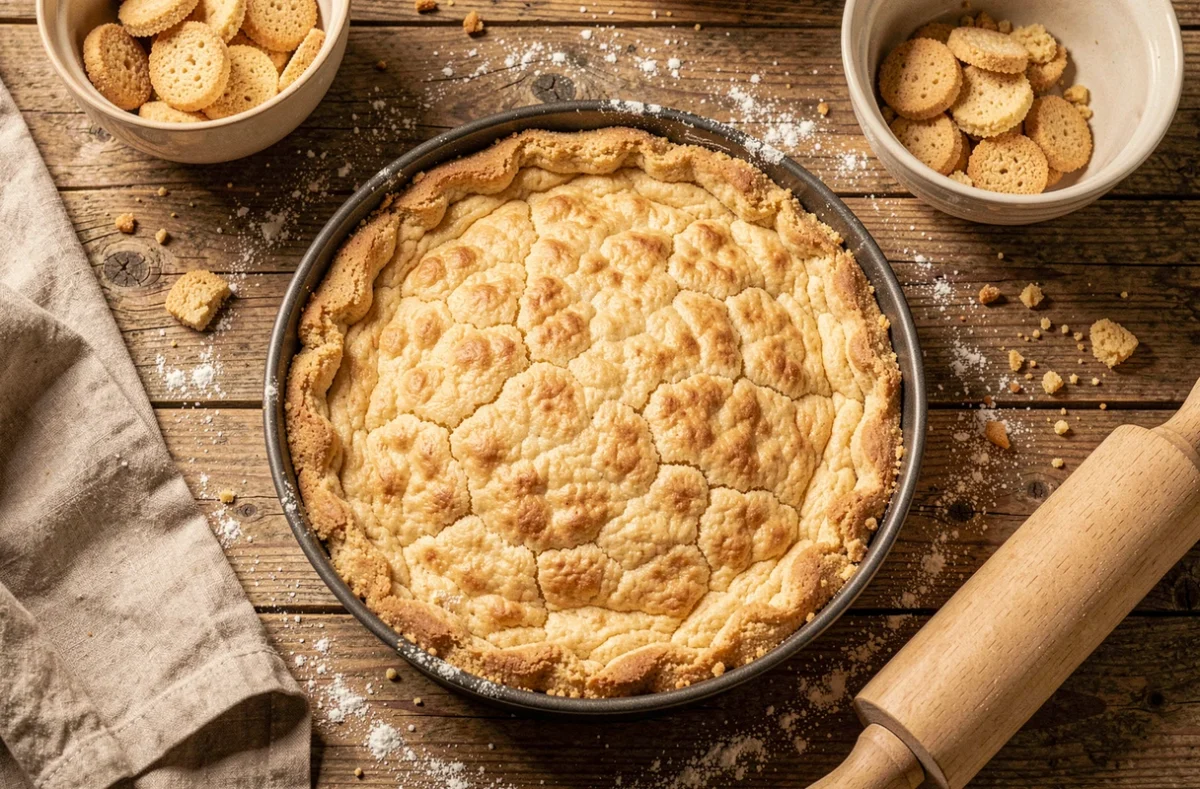
A crispy biscuit base that softens after assembly almost always indicates a moisture migration problem, not a recipe flaw. Here we discuss the technical levers that determine the longevity of the crispness, from the choice of fats to barrier methods, including cooling management.
Moisture migration in a crispy base: the factor that the recipe does not address
A perfectly executed praline-feuilletine crisp can lose all its bite within hours if the filling on top releases water. Light mousse, fruity cream, whipped cream: each of these mixtures contains an aqueous phase that migrates by capillarity towards the biscuit.
A thin layer of melted chocolate between the crisp and the filling forms a hydrophobic barrier that significantly slows down this transfer. Coating chocolate, due to its cocoa butter content, crystallizes into a continuous and waterproof film. We recommend allowing this layer to fully crystallize before pouring the filling, to avoid creating micro-cracks due to thermal shock.
The tempering does not need to be perfect for internal barrier use, but the layer must be thick enough to cover without gaps. Applying with a brush rather than pouring allows for finer control of the thickness. You will find several recipes to discover on Toutes Les Recettes that detail this barrier step with different types of chocolate.
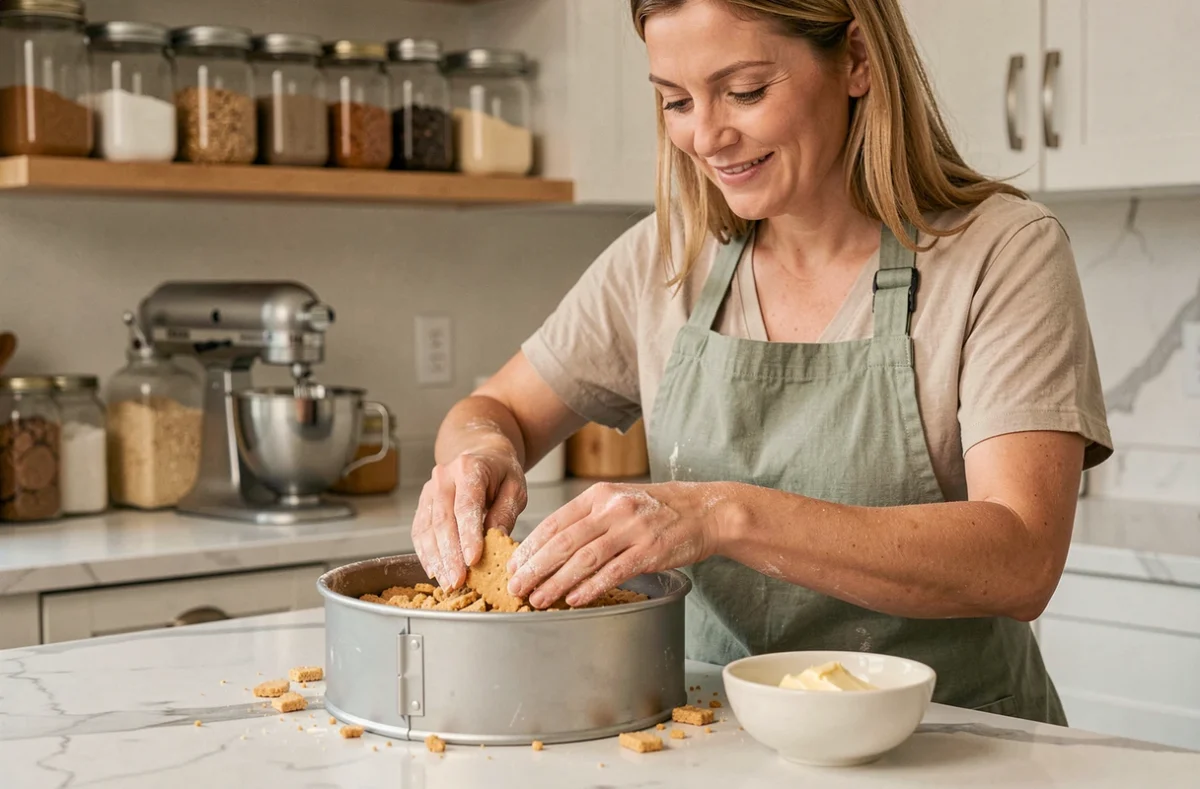
The role of cocoa butter and fats in maintaining crunchiness
The fat in the binder (dark, milk, or white chocolate) is not only used to stick the feuilletine to the praline. It determines the structural solidity of the biscuit once cooled. Dark chocolate offers the best rigidity due to its high cocoa butter content, which crystallizes into a dense network.
Milk chocolate and white chocolate contain more dairy fat and sugar, resulting in a softer and meltier crisp. This choice is relevant for a dessert consumed quickly, but the stability over several hours is less.
Homemade praline or commercial praline: impact on texture
A homemade praline, caramelized dry and then ground, generally contains less added fat than an industrial praline, often extended with palm or sunflower oil. This difference directly affects the firmness of the crisp during assembly.
We observe that coarsely ground praline provides more bite than a smooth paste. Hazelnut or almond pieces create points of resistance under the tooth, enhancing the perception of crunchiness even if the biscuit starts to absorb some moisture.
Cooling and storing the crispy biscuit before assembly
Cooling is a critical moment that many recipes address in a single line. For a baked biscuit (Breton shortbread, reconstructed crumble), transferring to a rack after a few minutes of resting on a hot tray limits condensation under the base. This condensation, invisible, is enough to soften the bottom layer of the base.
For a no-bake crisp (praline-feuilletine), the cooling process should be quick but not harsh. A stay in the freezer allows the structure to set in a few minutes, provided the biscuit is protected with cling film to avoid frost.
Hermetic box or refrigerator: the right balance
Storing in the refrigerator is not automatically the best option. Cold solidifies fats, which can accentuate brittleness instead of the desired crunchiness. For a crisp that is already prepared but not assembled:
- An airtight box at room temperature is suitable for storage of a few hours, provided the biscuit is protected from surrounding odors
- The refrigerator is justified if assembly is planned for the next day, with a return to room temperature before assembly to regain texture
- The freezer is the best option for preparing in advance for several days, with film + rigid box packaging to prevent breakage
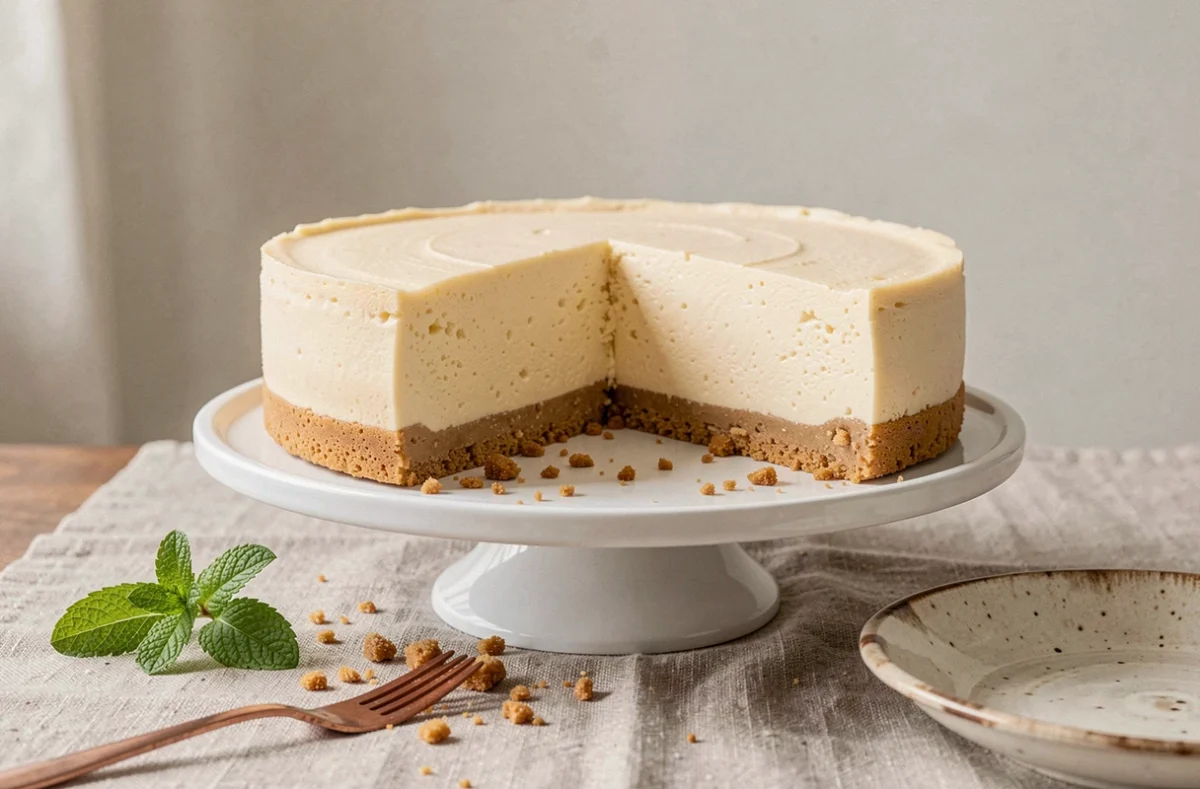
Allergens and traceability of ingredients in the crispy base
A often overlooked point in mainstream recipes concerns indirect allergens. A coating chocolate may contain milk or soy even if labeled “dark”, due to shared production lines. Praline and gianduja systematically introduce nuts.
For production intended for sale, checking the technical data sheet of each ingredient takes precedence over simply reading the packaging. The 14 regulatory allergens must be declared, including those present due to possible cross-contamination.
Feuilletine and gluten-free alternatives
Feuilletine (lace crepe flakes) contains wheat gluten. For a gluten-free crispy base, the most reliable alternatives are:
- Puffed rice or puffed quinoa, which provide gluten-free crunch but with a lighter texture and less bite
- Toasted coconut flakes, mixed with praline and chocolate, which give a dense and fragrant result
- Reconstructed crumble made from rice flour and almond powder, baked and then crushed, which comes closest to the classic texture
Each substitution alters the fat/dry matter ratio of the mixture. Puffed rice absorbs less chocolate than feuilletine, so the amount of binder should be slightly reduced to avoid a result that is too compact.
Thickness and cutting of the crispy biscuit in a circle or frame
The thickness of the crispy base conditions the taste balance of the dessert. Too thin, it disappears under the filling. Too thick, it dominates and makes the bite difficult to cut cleanly.
Spreading the crisp directly in the circle or frame guarantees a clean edge and an even thickness. We recommend using the back of a spoon or a small offset spatula to press evenly, working from the center to the edges.
For a round dessert, lining the bottom of the circle with guitar paper makes unmolding easier without breaking the crisp. Guitar paper, being stiffer than cling film, maintains a smooth and shiny surface in contact with the biscuit.
A well-barriered, properly cooled, and moisture-protected crispy base retains its texture throughout the service time of a classic dessert. The final point of vigilance remains the moment of assembly: pouring a still warm filling onto the crisp accelerates the melting of the cocoa butter and compromises the barrier. Always assemble cold.