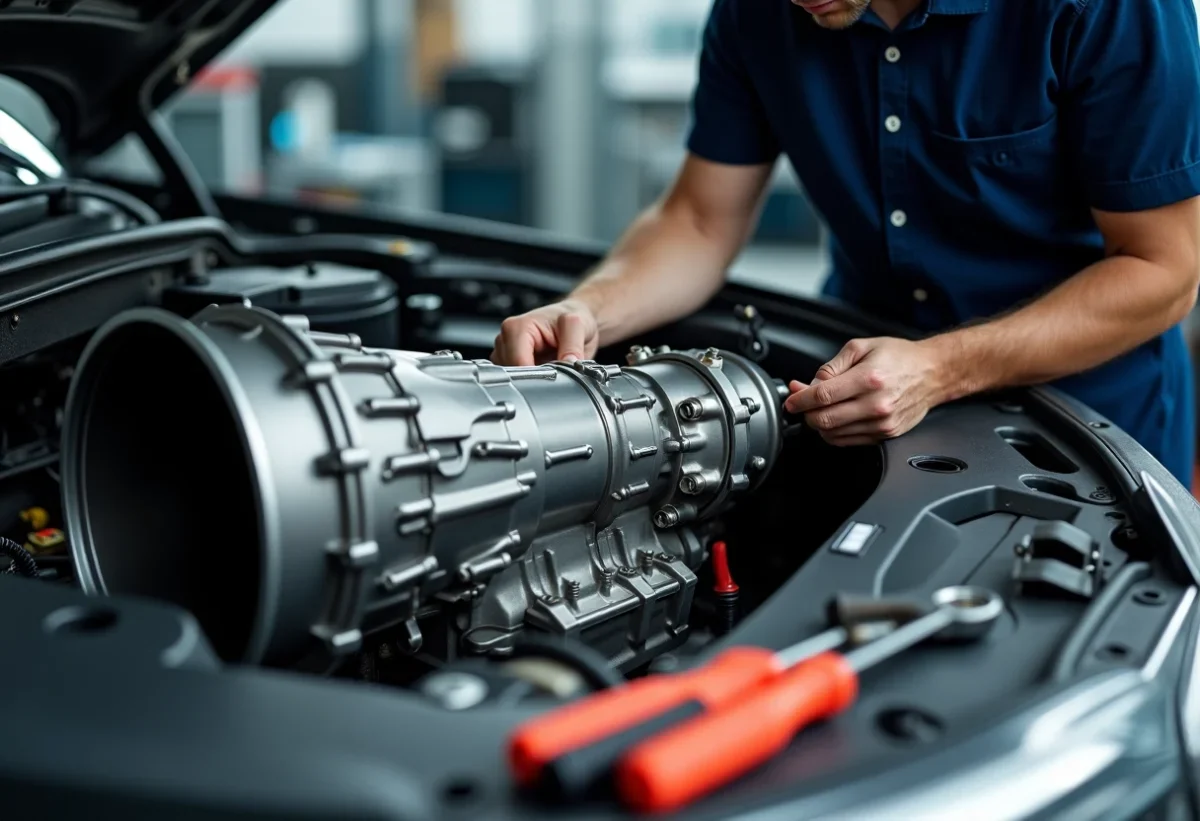
Keeping your automatic transmission in perfect condition requires some essential knowledge. These sophisticated systems, although robust, can present unique challenges in terms of maintenance and troubleshooting. Regular maintenance, including checking and changing the transmission fluid, is fundamental to ensure optimal operation and prevent costly breakdowns.
When problems arise, identifying warning signs such as jerking, unusual noises, or difficulties in shifting can help avoid heavy repairs. A clear understanding of symptoms and possible solutions can extend the life of your automatic transmission and ensure a smooth driving experience.
Best Practices for Maintaining Automatic Transmissions
Maintaining an automatic transmission requires meticulous attention and precise actions. Here are some essential practices to ensure the longevity and proper functioning of this fundamental component.
Checking and Changing Transmission Fluid
Transmission fluid plays a fundamental role. It lubricates the planetary gears, torque converter, and clutches, allowing for smooth shifting. Replace the transmission fluid according to the manufacturer’s recommendations to avoid performance degradation.
- Check the fluid level regularly.
- Use quality transmission fluid suitable for your vehicle.
- Replace the transmission filter during each fluid change to eliminate impurities.
Adopt an Appropriate Driving Mode
The driving mode directly influences the lifespan of your transmission. Aggressive driving, with sudden accelerations and braking, increases wear on internal components.
- Opt for smooth and gradual driving.
- Avoid shifting from drive to reverse without completely stopping the vehicle.
- Do not leave the vehicle in ‘Drive’ during long waits. Prefer the ‘Park’ position.
Maintenance of Auxiliary Components
The good condition of the engine, battery, and brakes is also fundamental for the optimal functioning of the automatic transmission.
- Ensure regular engine maintenance.
- Regularly check the battery’s condition.
- Use the accelerator and brake pedal correctly.
For a problem with the automatic transmission on C4 HDI or any other model, follow the manufacturer’s recommendations and consult a specialized garage if necessary. Preventive attention can avoid costly repairs and extend the life of your transmission.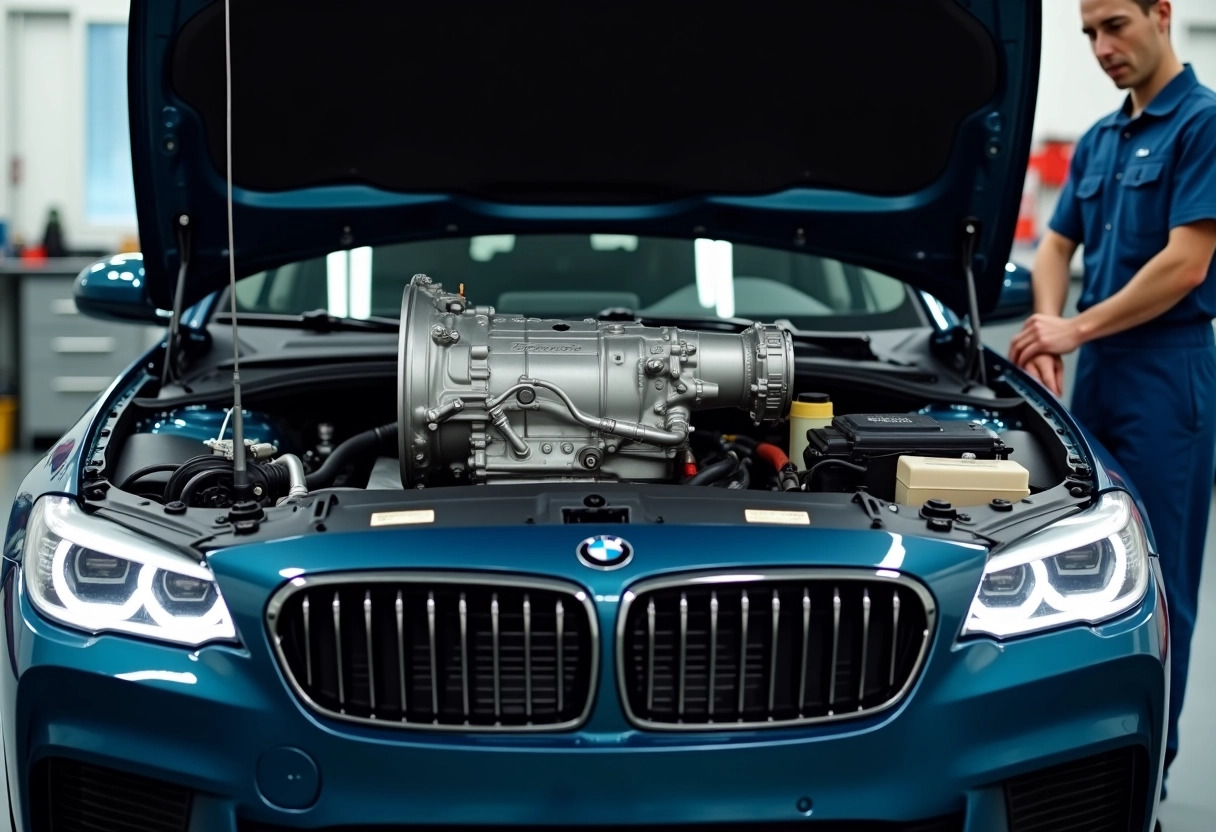
Troubleshooting Solutions for Common Automatic Transmission Problems
Automatic transmissions can exhibit various malfunctions. Here are some solutions to diagnose and resolve these frequent issues.
Slipping Issues
Transmission slipping is characterized by the engine accelerating without corresponding to the vehicle’s speed. To address this issue:
- Check the level and condition of the transmission fluid.
- Use a OBD-II scanner to detect any error codes.
- Consult a specialized garage for a thorough diagnosis.
Unusual Noises
Strange noises coming from the transmission may indicate wear or internal malfunction. To identify the cause:
- Inspect the level and quality of the transmission fluid.
- Check the condition of the planetary gears and clutches.
- Seek a professional for a detailed assessment.
Transmission Leaks
Transmission fluid leaks are often due to faulty seals or wear of components. To remedy this:
- Locate the source of the leak by inspecting seals and lines.
- Replace worn seals and tighten loose connections.
- Regularly check the fluid level to avoid further damage.
Jean, a knowledgeable user, recently used a pro guide to diagnose and resolve a transmission leak on his vehicle, thus avoiding costly repairs. The same methodical approach allowed Jean-Marc to follow maintenance advice, thereby improving the performance of his automatic transmission.
For any complex intervention, it is still wise to consult a specialized garage capable of performing precise repairs and ensuring optimal longevity for your transmission.