A broken terracotta pot is not an end in itself: it is often the beginning of a new utility, far from the traditional waste disposal routes. Most gardeners are unaware that a simple chip can transform the health of a vegetable garden, facilitate water drainage, and curb the spread of moisture-related diseases.
Other methods, sometimes ingenious, allow for the reinvention of the use of these abandoned materials. By adopting these habits, everyone engages in a frugal and respectful gardening approach, accessible to all green thumbs, without breaking the bank.
Why recycling or reusing broken terracotta pots really makes a difference in the garden
Giving a second life to broken terracotta pots concretely helps limit clay waste and avoid the overproduction of new containers. Making terracotta involves very high-temperature kilns, considerable energy consumption, and a lot of water. Using these fragments instead of throwing them away is a step away from the logic of systematic waste.
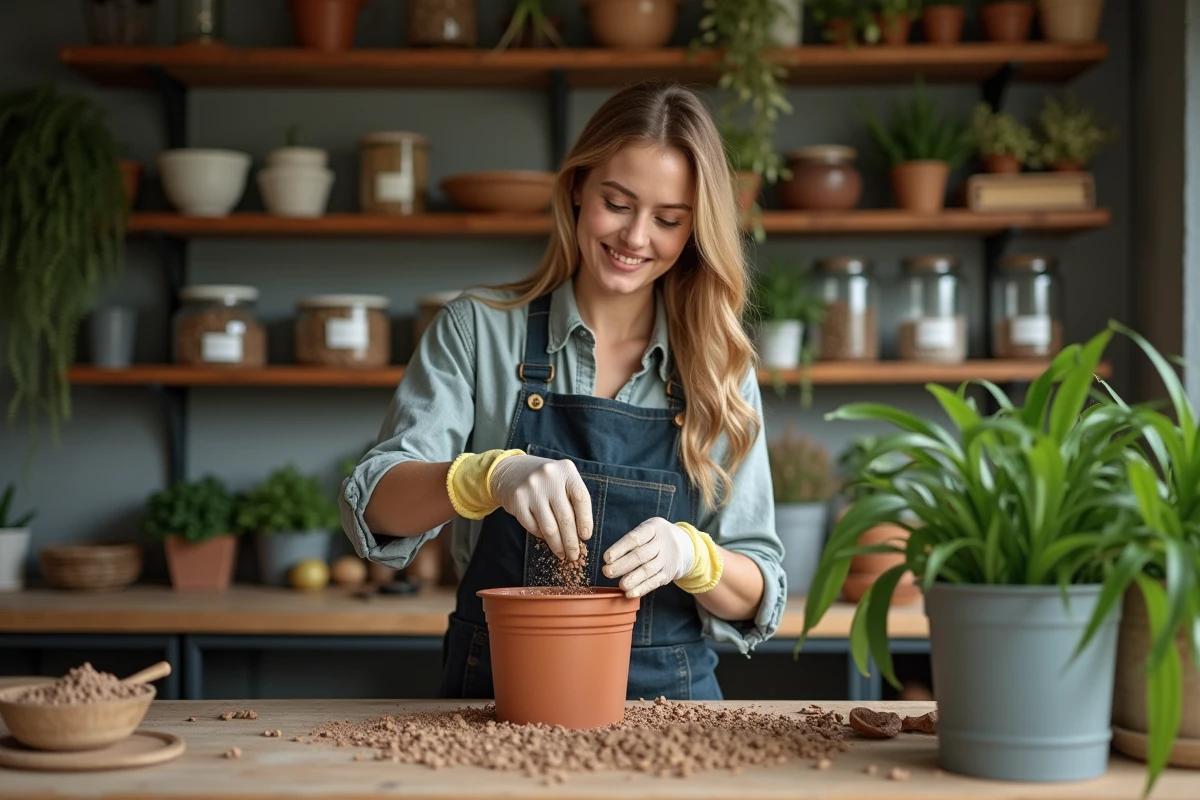
A piece of broken pot slipped to the bottom of a container improves drainage, lightens the substrate, and prevents root suffocation, a simple gesture rooted in a vision of waste-free gardening. ADEME emphasizes this: utilizing mineral materials for other uses reduces the carbon footprint. This is tangible, far from abstract speeches: reusing clay avoids resource depletion and values what, yesterday, ended up in the landfill.
In the workshop or the garden, every action counts. Keeping these old cracked pots, transforming them into stakes, borders, or even mineral mulch, is choosing sobriety and circularity. Want to know more? The tips for recycling clay balls gather numerous field feedback and tricks shared by those who refuse the disposable culture.
Keeping, repurposing, storing clay waste from broken pots asserts a cohesion between eco-responsible gardening and intelligent resource management. This virtuous circle offers more: less waste, more fertile soil, and a reasoned consumption of raw materials.
What if we repurposed everyday objects to replace clay balls?
Expanded clay is often discussed for pot bottom drainage, but there are sometimes unsuspected alternatives already present in our cupboards or workshops. For example, cork, in the form of cut stoppers or crumbs, easily slips to the bottom of the pot. It lightens, allows water to flow, and prevents stagnation.
Among the readily available solutions, here are a few that have proven effective:
- Coarsely crushed eggshells: they allow moisture to pass through, protect the roots, and enrich the soil with calcium.
- Apricot pits, carefully cleaned, easily replace clay balls in small pots.
- Walnut shells, sturdy and not biodegradable in the short term, form a natural barrier, very effective at the bottom of the pot.
- Cork stoppers, crushed, are also suitable for lightening hanging containers.
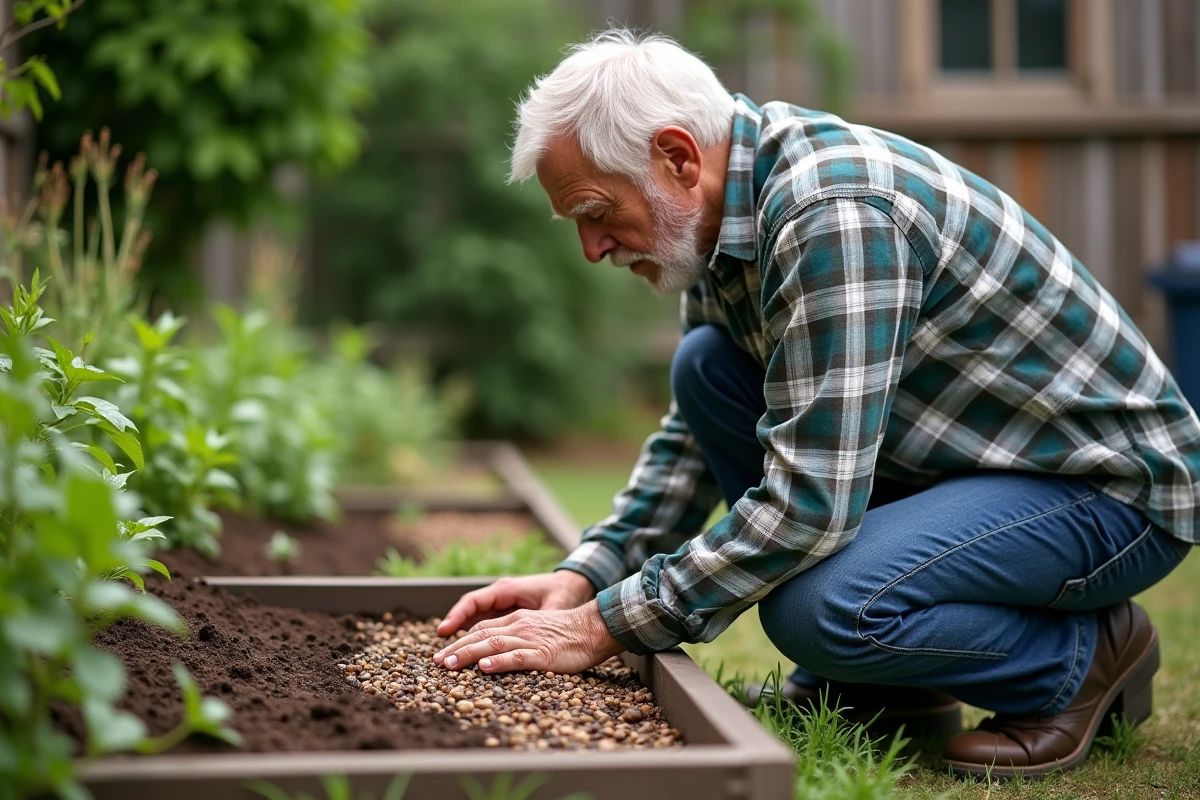
Some still prefer mineral materials: gravel or pumice do the job very well. They ensure good drainage, retain moisture, and prevent excess water that can suffocate potted plants. Using what you have on hand avoids the production of new waste and adapts each container to the diversity of life.
Other materials like perlite or vermiculite illustrate this concrete attention to natural cycles and a reasoned moisture management. Drainage is no longer just a technical operation: it is an opportunity to reuse, imagine, and preserve the vitality of plants while respecting the planet.
Practical tips for creating eco-friendly containers and draining your plants without breaking the bank
Reuse everyday materials: simplicity and efficiency
In all shared workshops, the question of storage of leftover plastic clay or slip regularly arises. These scraps should not be thrown away: once dried and sifted, the chips from kneading or the pugmill provide an excellent draining layer for the bottoms of pots. The recycling of clay then naturally fits into a frugal gardening approach, where every chip takes its place.
Here are some concrete ideas for diversifying recyclable materials:
- Fragments of stoneware or earthenware left over from a workshop are a great substitute for clay balls or the usual gravel.
- Nemours sand, sifted, ensures excellent water drainage and protects roots from suffocation.
- For those who know, a mix of dry chips and chamotte ensures stable and light drainage.
Hygiene and precautions: preserving plant health
Before any reuse, each pot or material must be thoroughly washed with white vinegar or a diluted bleach solution. This step limits the spread of diseases like Phytophthora, a true scourge for roots. When sifting, handling silica or plaster dust requires adequate protection: an FFP3/P100 mask is strongly recommended.
Complete it all with a mulch on the surface: it stabilizes the substrate structure, reduces evaporation, and stimulates the vigor of potted plants. By combining local materials, health vigilance, and reuse reflexes, every pot in the garden becomes an ecological manifesto, without ever sacrificing efficiency.
Who would have thought that a simple chip of terracotta, destined for oblivion, could pave the way for smarter gardening? The next time a pot breaks, see it as an opportunity to nourish the earth and welcome the surprise of life that adapts, season after season.