After several decades of professional life, free days are piling up. The risk is not boredom, but rather a lack of clarity: without temporal markers, some weeks look alike and the desire to go out diminishes. Enjoying retirement among seniors requires choosing a few activities that can last over time, not just stacking up occupations.
Fall Prevention and Balance: The Physical Activity That Really Makes a Difference
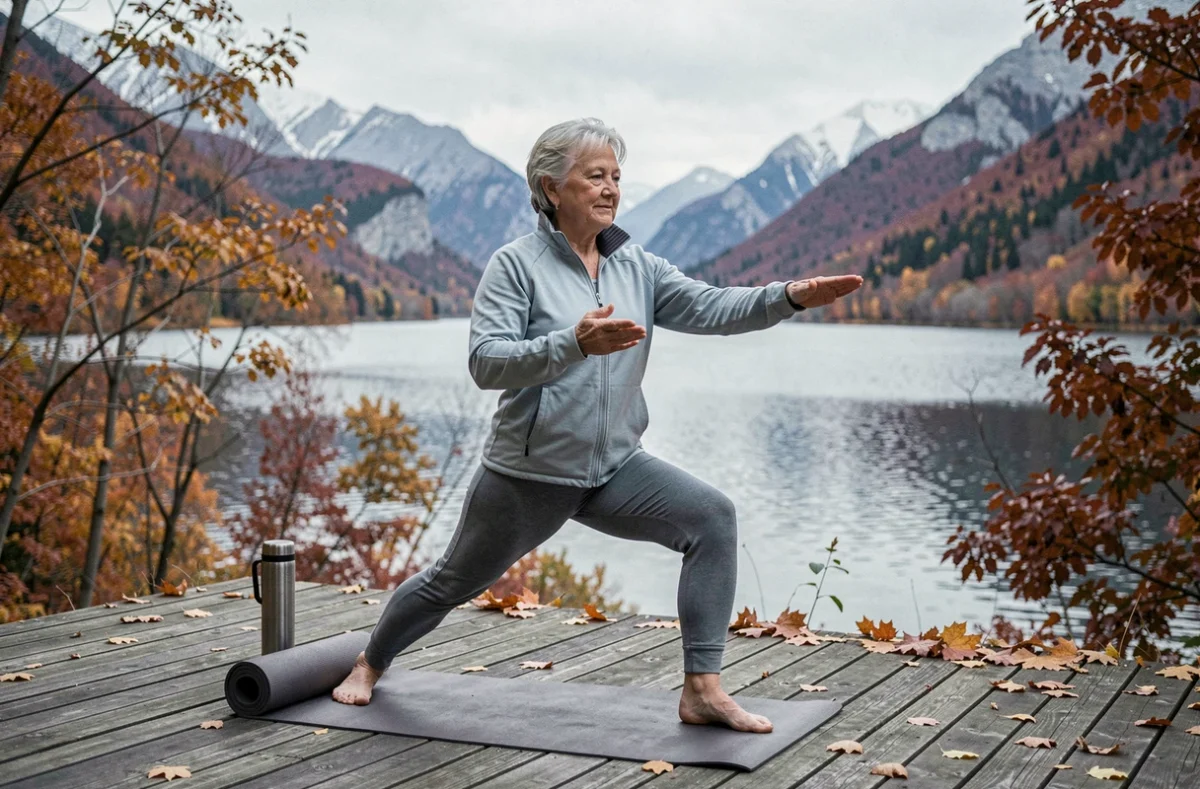
Most articles about retirement start with “move.” The advice is correct, but too vague. What makes a measurable difference is balance training.
Gentle gym sessions focused on fall prevention are multiplying in French municipalities. They combine leg strengthening, proprioception exercises, and postural work. Several CCAS, pension funds, and departments fund these workshops, often at a reduced price or for free.
Have you noticed that after a few weeks without regular walking, climbing stairs becomes more hesitant? This is exactly the mechanism that these programs aim to slow down. Balance is trained like a muscle; it regresses without stimulation.
Structures like online communities on cercle-des-seniors.fr also help find walking or gym partners nearby, which helps maintain a regular pace.
The “Activ’ et Vous” program, supported by Mutualité Française and Assurance retraite, offers a remote course combining physical activity and nutrition for retirees and pre-retirees aged 60 to 72. This type of initiative shows that health prevention in retirement goes beyond just sports: it includes nutrition, hearing, vision, and housing adaptation.
Localized Workshops for Seniors: Identifying Local Funding
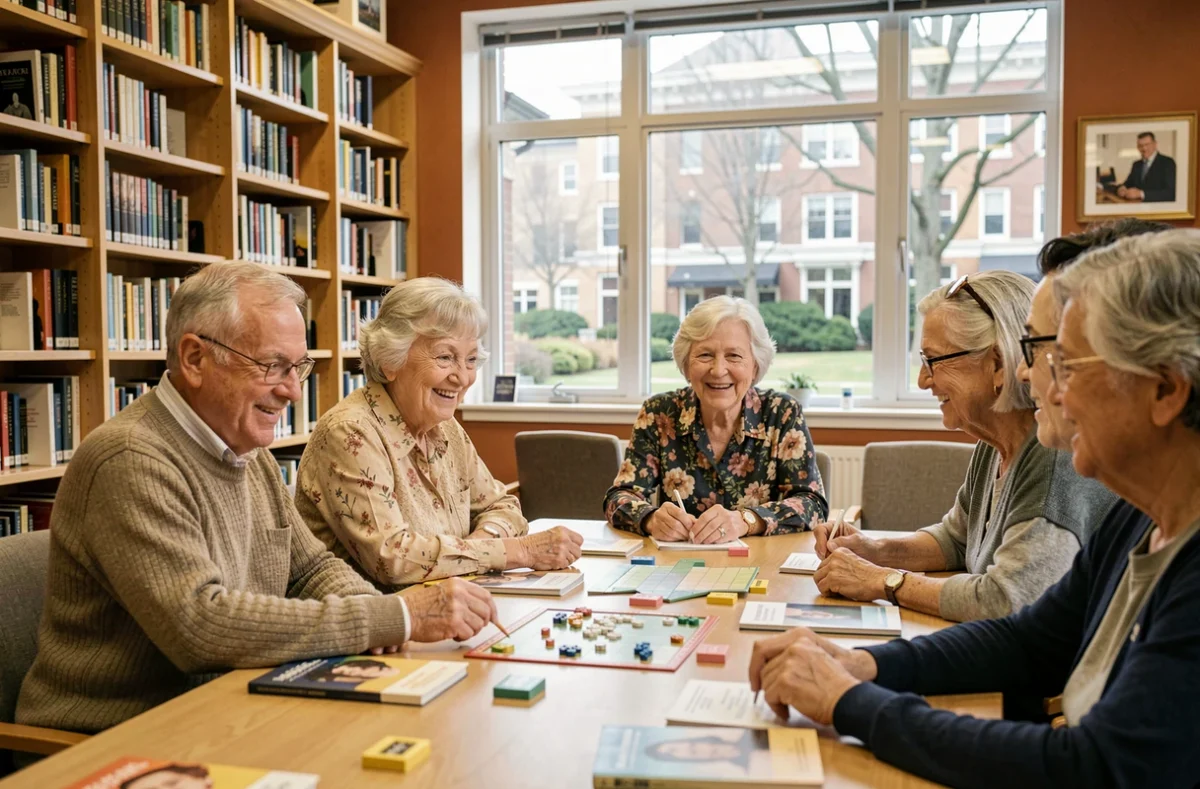
Many retirees are unaware that their municipality or pension fund finances collective workshops. Gentle gymnastics, memory, nutrition, digital initiation: the offer exists, but it is scattered.
Funding for sports and activities for seniors is rarely national. It depends on the territory. Specifically, you need to look towards several organizations:
- Your municipality’s CCAS, which organizes or subsidizes collective sessions (gym, memory workshops, cultural outings)
- Your pension fund (CNAV, MSA, Agirc-Arrco), which offers funded prevention programs for those over 60
- The department, via the conferences of funders for the prevention of loss of autonomy, which allocates budgets to local associations
The reflex to adopt: make a call to the CCAS or check your pension fund’s website. These workshops are designed for groups of seniors, which creates social bonds without forcing intimacy.
Learning After 60: Courses and New Skills Accessible to Retirees
Resuming learning in retirement is not a luxury. It is a documented lever for cognitive stimulation. Learning a language, an instrument, or software engages working memory, which declines first without training.
The offer has diversified. Universities of leisure, local associations, and some senior residences offer courses adapted to the pace of retirees. Living languages, art history, digital photography initiation: the choice mainly depends on what is available near you.
A often overlooked point: collective courses create a weekly appointment that structures the week. When the professional framework disappears, this type of temporal marker helps maintain a regular lifestyle.
Digital Skills: A Learning Opportunity Not to Postpone
Introduction to digital tools deserves special mention. Making a medical appointment, video chatting with grandchildren, managing administrative tasks: everything goes through a screen. Digital workshops for seniors have multiplied in libraries and community centers. Most are free.
Not mastering these tools is not a skills issue. It is an access issue: no one took the time to show you. A two-hour workshop per week is often enough to overcome the main barriers.
Holidays and Cultural Outings Among Seniors: Breaking the Routine Without Complicating Life
Traveling in retirement does not mean going far. A monthly cultural outing, a few days stay in a nearby region: these small breaks from routine have a notable effect on morale.
The offer for holidays and outings tends to move away from specialized structures. Generalist associations, tourist offices, and local authorities now offer stays adapted for seniors without confining them to a category. The main selection criterion remains the pace, not the age.
For cultural outings, consider the discounted subscriptions that many museums and theaters offer to retirees. Again, inquiring with the CCAS or the town hall often reveals lesser-known programs.
Volunteering as a Structuring Activity
Volunteering provides a regular framework, a sense of usefulness, and human contacts. It can take very varied forms: tutoring, outreach, administrative assistance in an association, welcoming in a cultural venue.
Volunteering works best when it corresponds to an already acquired skill. A former accountant can help a small association manage its accounts. A former teacher can assist struggling students. Starting from what you know how to do makes the commitment more sustainable.
Retirement among seniors is built with a few concrete choices, not with a list of ten activities to check off. A balance workshop, a weekly class, a monthly outing, and an associative commitment cover the four pillars: physical health, cognitive stimulation, social connection, and a sense of usefulness. The rest is free time, and it doesn’t need to be filled.