
Trade wars, fragmentation of alliances, and the instrumentalization of the economy as a geopolitical lever: this year’s international news goes beyond military fronts. The Global Risks 2026 report from the World Economic Forum (WEF) places geoeconomic confrontation at the top of the risks for markets and societies, ahead of traditional armed conflicts. Understanding these major trends requires looking beyond isolated crises, towards the structural dynamics that are reconfiguring the global stage.
Geoeconomic Confrontation and Global Risks: What Experts Measure
The WEF surveyed over 1,300 experts for its annual report. Their responses outline a landscape where the economy becomes the primary weapon of power, relegating traditional military confrontations to the background in the hierarchy of perceived risks.
The table below summarizes the risk axes as they emerge from the report and complementary analyses published this year.
| Risk Axis | Nature | Perceived Horizon |
|---|---|---|
| Geoeconomic Confrontation | Sanctions, trade restrictions, control of value chains | Short and medium term |
| Systemic Uncertainty | Weakening of multilateralism, priority national strategies | Persistent over the decade |
| Inflationary Pressures Related to Conflicts | Rising energy costs, disruption of maritime routes | Short term, immediate impact on the Global South |
| Disruption by Artificial Intelligence | Pressure on the middle classes, transformation of the labor market | Medium term |
The daily coverage of international media, accessible notably on dnews.eu, addresses these crises as they unfold. The WEF report links them together and highlights their systemic nature.
Global Uncertainty: Why Half of Experts Anticipate Turbulence
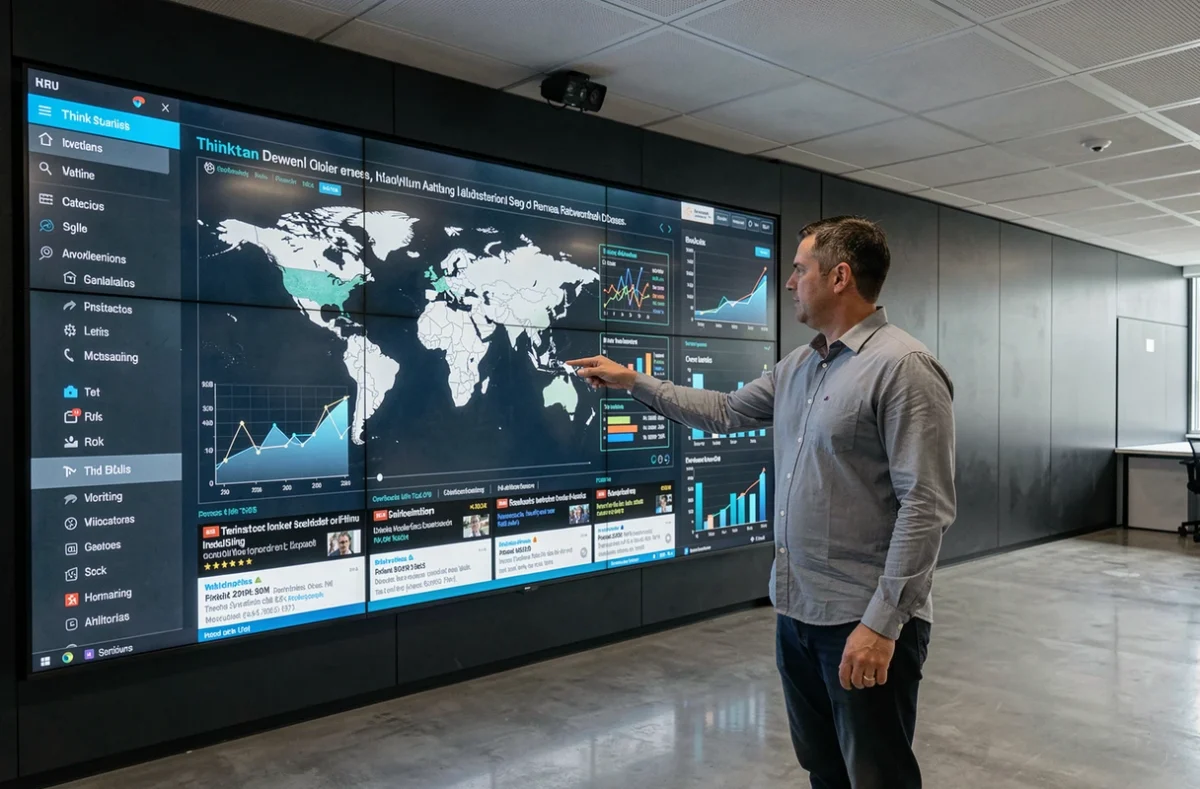
The word that comes up most often in this year’s projections is “uncertainty.” About half of the experts surveyed by the WEF anticipate a “turbulent” or “stormy” environment for the next two years. A majority believes that this turbulence will not subside before the end of the decade.
This structural pessimism can be explained by a specific chain of events. Multilateral frameworks (trade agreements, regulatory institutions, cooperation forums) are losing effectiveness. Each country or bloc prioritizes its own strategic interests, accelerating fragmentation.
Alliances Redefined by Economic Competition
The report describes an “era of competition” where economic tools (sanctions, tariffs, technological restrictions) replace traditional diplomacy. Alliances are reshaped around value chains and access to critical resources, not around shared values.
This trend directly affects Europe, caught between American trade policy and Chinese ambitions in advanced technologies. In contrast, some countries in the Global South are trying to leverage this competition by positioning themselves as alternative suppliers of strategic raw materials.
Conflicts in the Middle East and Pressure on Global South Economies
The persistent tensions in the Middle East and around Iran are not just security crises. They generate concrete disruptions in trade routes and energy markets, and a regional conflict affecting a strategic passage can have immediate global repercussions.
The economies of the Global South, already weakened, are feeling the full impact of rising energy and food import costs.
- Countries dependent on oil imports see their trade balance deteriorate, limiting their budgetary margins for social policies.
- The disruption of maritime routes lengthens delivery times and increases freight costs, with a cascading effect on consumer prices.
- The return of inflationary pressures in several regions hinders the disinflation that began in previous years.
Artificial Intelligence: The Threat to Middle Classes According to the WEF
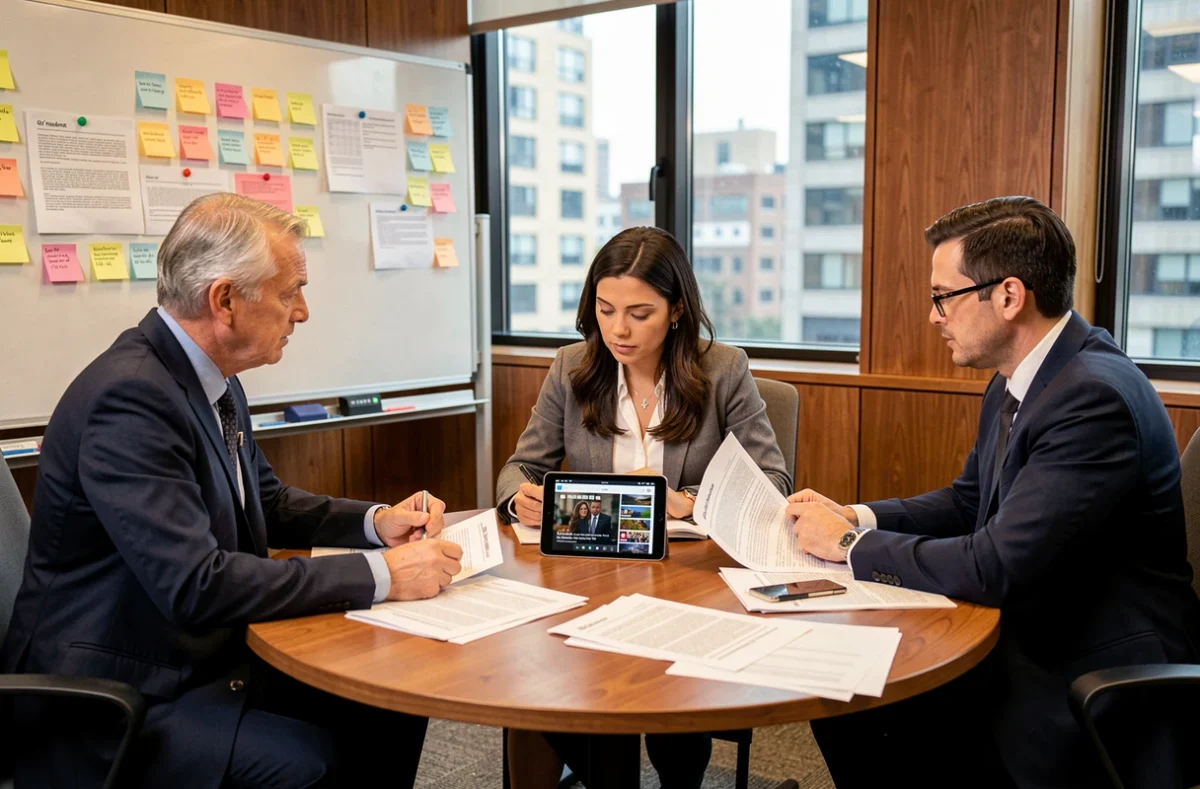
The WEF highlights another trend that goes beyond the technological framework to become a political and social issue. AI exerts increasing pressure on many jobs, with a particular impact on the middle classes in both developed and emerging countries.
This point deserves attention because it intersects with other trends. An economically pressured middle class becomes more receptive to protectionist and nationalist rhetoric, which in turn fuels the geopolitical fragmentation described above.
A Self-Reinforcing Cycle
Technological disruption accelerates inequalities. Inequalities fuel distrust towards multilateral institutions. This distrust pushes governments towards national strategies, which in turn fragment the cooperation necessary to regulate AI on a global scale. Each trend reinforces the others instead of compensating for them.
This year’s international news thus reads less like a series of isolated crises and more like a system where economic confrontation, structural uncertainty, and technological disruption interact. The WEF report converges on one point: the coming years will be defined by the ability of states to cooperate despite competition, or by the consequences of their failure to do so.